Q: What age should you start preventative Botox?
Most people start in their mid to late 20s or early 30s if they notice expression lines that stick around. You should be 18 or older to get Botox.
Botox relaxes tiny facial muscles and are even used in unconventional uses such as hyperhidrosis. When those muscles rest, the skin on top does not crease as much. That is how Botox helps soften lines and can keep new ones from forming. The “right” age is not the same for everyone. Your skin type, genetics, and lifestyle all matter. Below, you will see what to expect in your 20s, 30s, 40s, 50s, and 60s, plus how preventative Botox works and when it makes sense.
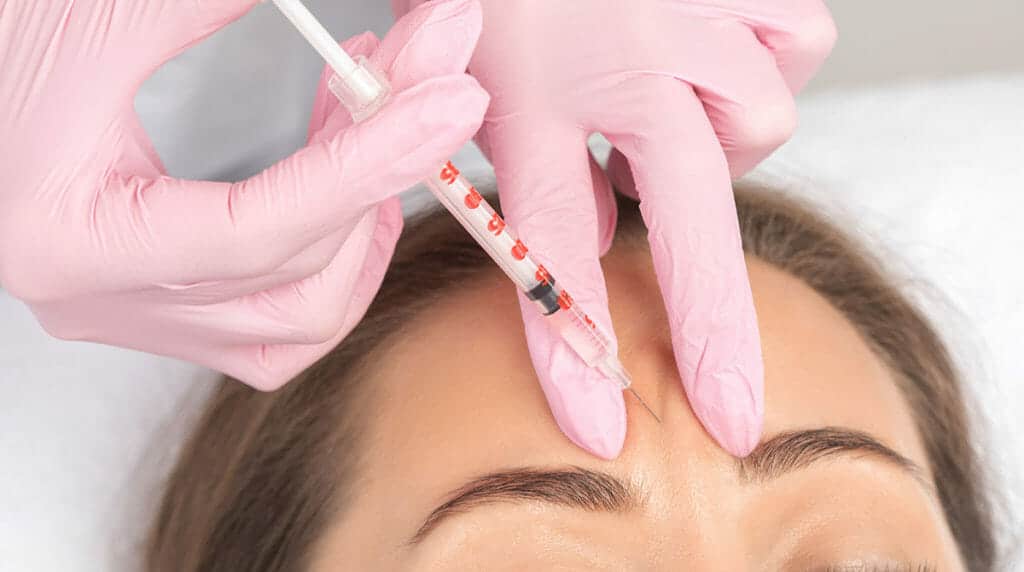
What Is Preventative Botox?
Preventative Botox is treatment done before deep wrinkles set in. The goal is to slow or stop early lines from becoming permanent. It targets the muscles you use for frowning, raising your brows, or squinting. By calming those muscles early, you reduce the constant folding of the skin.
Preventative vs Regular Botox
Regular Botox treats lines that are already there at rest. Preventative Botox focuses on lines that show up with expression and are starting to linger. Both use the same medication and technique. The difference is timing and the goal.
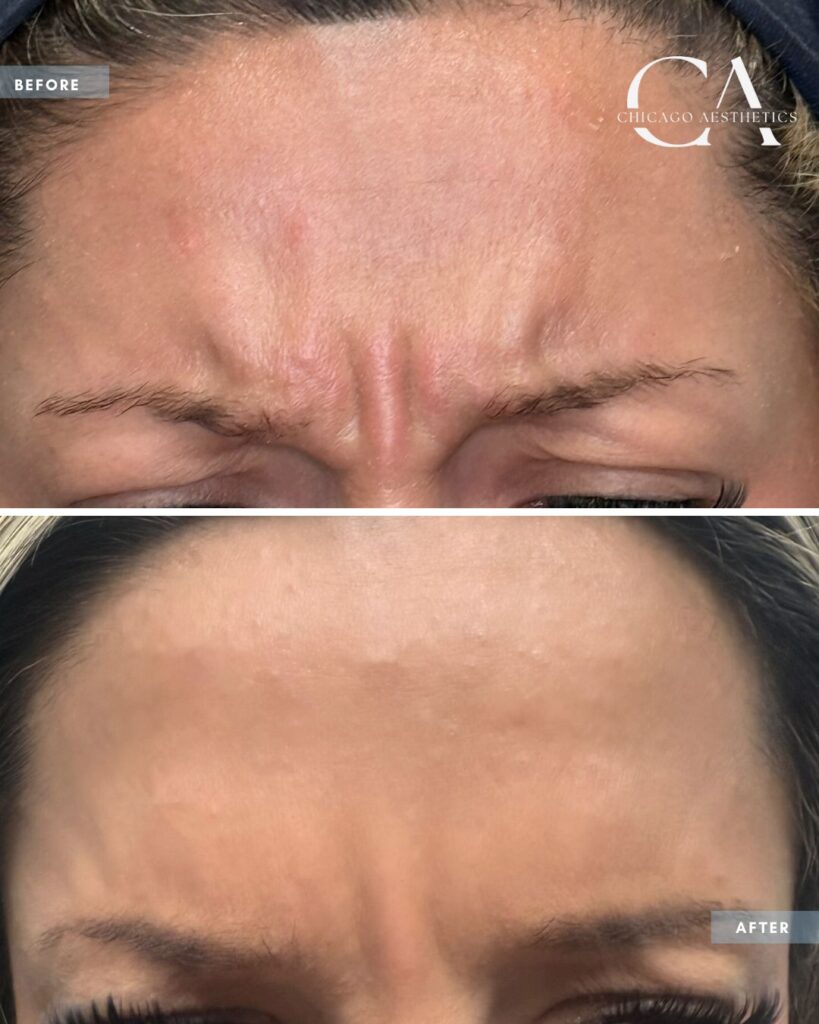
Botox in Your 20s
In your early 20s, most skin is smooth and full. In the late 20s, you may see faint “dynamic” lines from smiling, frowning, or squinting. These lines fade when your face relaxes.
If you have a very expressive face or strong family history of lines, small preventative doses can help. Common areas:
- Forehead lines
- Frown lines between the brows
- The border of your upper lip (lip flip)
You do not need a lot. The goal is to keep movement natural while easing the strongest crease patterns.
Botox in Your 30s
Lines can show a bit more now, but many are still mild. This is still a good age for prevention for most patients. Popular areas:
- Crow’s feet from smiling or squinting
- Frown lines
- Early forehead lines
- Early lip lines in the late 30s
Treating now can keep lines from setting in deeper as you move toward your 40s.
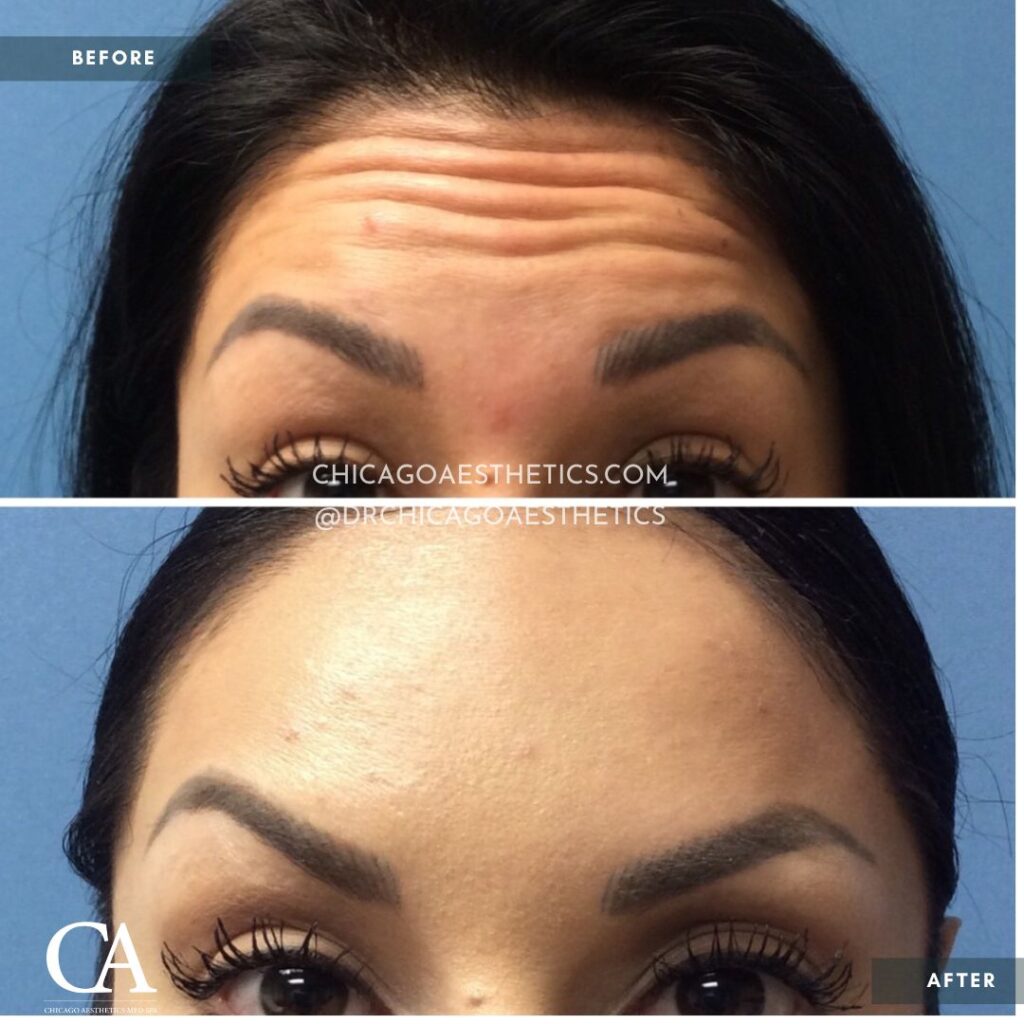
Botox in Your 40s
Wrinkles can start to hold even when your face is resting. You may notice:
- Deeper crow’s feet
- Forehead lines
- Heavier frown lines
At this stage, Botox often pairs well with other options like dermal fillers or Sculptra for volume or skin treatments that boost collagen like Sofwave. Around the mouth, tiny doses can soften “lipstick lines.” Your provider will tailor a plan so results look natural and you still look like you.
Botox in Your 50s
Most people want to look refreshed, not overdone. Common goals:
- Soften crow’s feet and frown lines
- Open the eye area with a gentle brow lift effect
- Ease downturned mouth corners
- Smooth upper lip lines
Skin can be drier and thinner due to normal aging and, for many women, menopause. Botox may be combined with filler or Radiesse collagen-stimulating treatments to address volume loss and skin quality. The aim is a rested look that matches your age and style.
Botox in Your 60s
You still want to look like you, just more rested. A popular request is a smoother jawline and neck. Some patients choose lower face Botox patterns to soften tight pulling that can make jowls or neck lines more obvious. Because volume loss is common now, many plans combine Botox with fillers, skin tightening or facelifts. The focus is gentle softening so your features stand out and lines distract less.
Ready to Book at Chicago Aesthetics?
Schedule your complimentary skin consultation today ($50 value). Call or Text us (312) 846-1529 or visit our contact page to request your appointment online.
New Patients: 20% off any aesthetic med spa treatment (only available with select providers). Contact our office for details. See our monthly specials.

Address:
Chicago Aesthetics, 310 W Superior St, Fl 2, Chicago, IL 60654
Phone/Text: (312) 846-1629