Turbinate Hypertrophy
In Chicago & Glenview, IL
Chicago Aesthetics Surgery & Med Spa in Chicago & Glenview, IL is led by Dr. John D. Rachel, MD, FACS, a facial plastic and reconstructive surgeon who is quadruple board-certified.
On This Page
Turbinate Hypertrophy
- How Inferior Turbinate Hypertrophy Is Diagnosed
- Treatments for Turbinate Reduction
- What Are the Turbinates and What Do They Do?
- What Causes the Turbinates to Swell?
- What to Expect During Recovery After Turbinate Reduction
- Is Turbinate Reduction Surgery Safe?
- Will My Nose Appearance Change After Turbinate Surgery?
- Why Choose Chicago Aesthetics Surgery & Med Spa
- Chicago Aesthetics Reviews & Testimonials
What Is
Turbinate Hypertrophy?
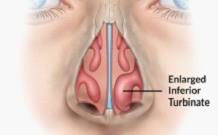
Chronic nasal obstruction or a stuffy nose is often caused in part by enlargement (hypertrophy) of the inferior turbinate. Congested nasal obstruction can impair normal breathing, forcing patients to breathe through the mouth and often affects their daily activities.
Enlarged turbinates and nasal obstruction can also contribute to headaches and sleep disorders such as snoring and obstructive sleep apnea, as the nasal airway is the normal breathing route during sleep.
How
Inferior Turbinate Hypertrophy Is Diagnosed
At Chicago Aesthetics Surgery & Med Spa, a diagnosis of inferior turbinate hypertrophy can usually be made on your first visit. After taking your history an exam will be performed. During the exam, an endoscope, which is a small telescope with a light on one end and an eyepiece at the other, may be used to examine the inside of your nose. A CT Scan may be required to confirm the diagnosis.
Treatments for
Turbinate Reduction
There are several medications available to treat the symptoms (mainly congestion) caused by inferior turbinate hypertrophy. These include:
- Nasal steroids sprays
- Nasal antihistamine sprays
- Oral decongestants
- Oral Steroids
These medications are designed to help reduce swelling (inflammation) and improve nasal breathing.

What Causes the
Turbinates to Swell?
Turbinate hypertrophy can develop in response to various environmental factors and infections. The mucous membranes covering the turbinates contain numerous blood vessels and they shrink or swell easily in response to various factors. The turbinates can swell due to allergies, chemical or physical irritants, temperature changes, or acute sinus infections. This creates congestion as the airflow through the nose becomes blocked. These are usually temporary conditions, and the turbinates return to normal size and the person’s congestion clears.
Persistent inflammation, allergic reactions, and continuing exposure to various environmental irritants may lead to chronic swelling of the turbinates. This usually occurs in the inferior turbinates and is called turbinate hypertrophy. This makes it difficult for the person to breathe through his or her nose. Turbinate hypertrophy is associated with chronic sinus infections and can stem from an untreated deviated septum.
Removal of the factors causing irritation in the mucous membranes or treating the underlying allergies with nasal steroid sprays can reduce the swelling and improve breathing. But when this swelling is chronic, surgery may be required to reduce the size of the inferior turbinates.
What to Expect
During Recovery After Turbinate Reduction
Your recovery is individual, based on how much excess tissue Dr. Rachel had to remove and whether your turbinate surgery was combined with another procedure such as a septoplasty or a sinus dilation. You will get specific details during your consultations, but here are some general recovery guidelines.
These procedures can be minimally invasive, so the recovery is not overly difficult. Your nose will feel stuffy for a few days to a week, but your breathing may improve quickly.
What Are the
Turbinates and What Do They Do?
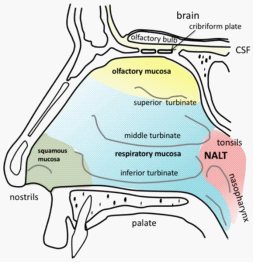
The turbinates are responsible for directing the airflow inside the nasal cavity. The soft tissue covering them is responsible for humidifying, heating, and filtering inhaled air. It is important to humidify the air to prevent damage to the olfactory receptors that are responsible for the recognition of various scents and odors. The epithelial layer is also the first line of immunological defense, triggering a quick immune response at the signs of microbial or chemical irritation.
Is
Turbinate Reduction Surgery Safe?
This is a safe procedure. Dr. Rachel uses the most minimally invasive methods for these turbinoplasties. There can be some post-operative bleeding and bloody discharge, but this can be stemmed by the use of nasal saline mist spray every 2-3 hours. We will provide you will all the instructions on how to care for your sinuses after this procedure. This is a very successful, safe procedure.
Will My
Nose Appearance Change After Turbinate Surgery?
This procedure simply removes the excess tissue of the inferior turbinate. It does not change the external appearance of the patient’s nose when performed alone without additional nasal procedures.
Why Choose
Dr. Rachel
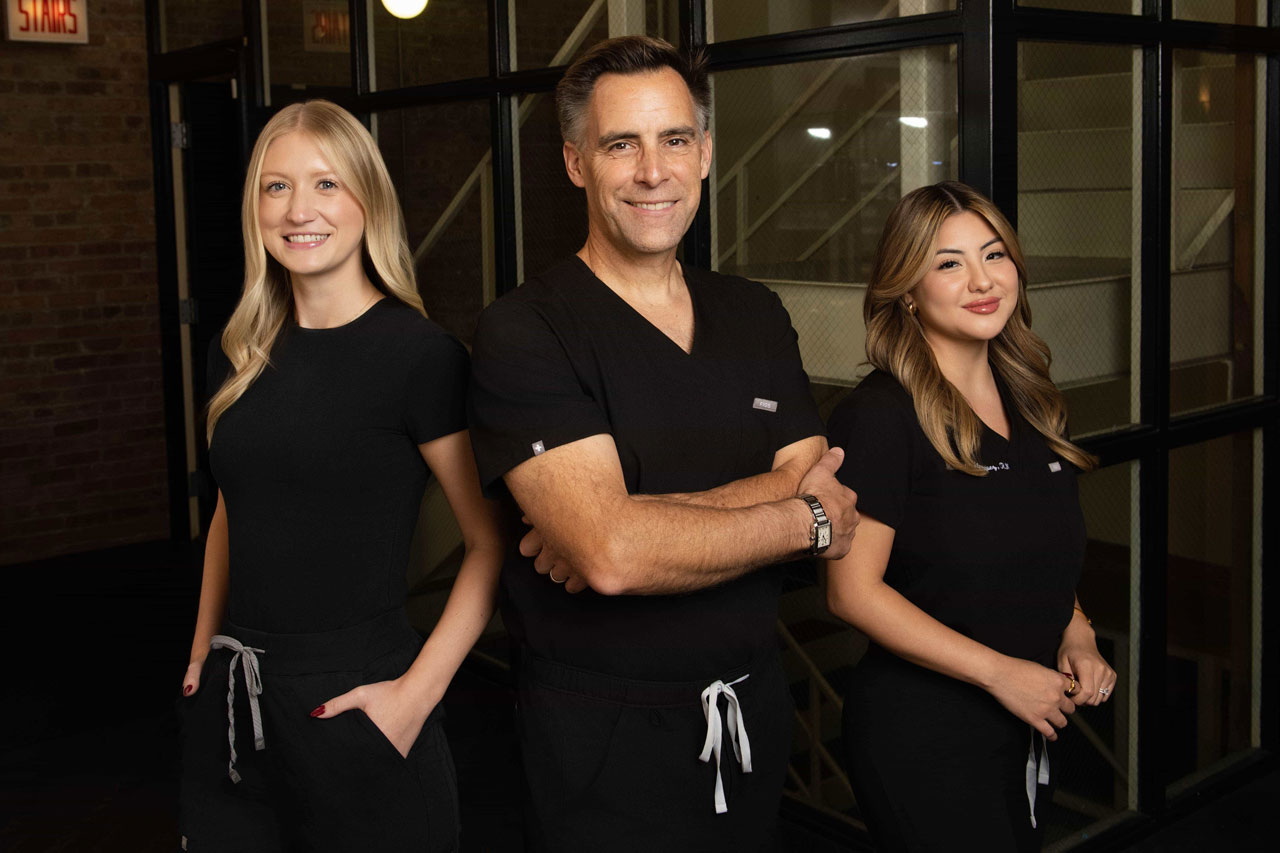
You want a clear recommendation, realistic expectations, and results that still look like you. At Chicago Aesthetics Surgery & Med Spa in Chicago and Glenview, we start with an anatomy-led plan based on your goals. We’ll tell you what we think will work, what won’t, and why. We explain your options in plain language, including what we would not recommend, so you can feel confident with your decision.
Dr. John D. Rachel, MD, FACS is a facial plastic and reconstructive surgeon. He is quadruple board-certified in Otolaryngology-Head & Neck Surgery, Facial Plastic & Reconstructive Surgery, the American Board of Cosmetic Surgery, and the American Board of Facial Cosmetic Surgery. He completed residency training in Otolaryngology–Head & Neck Surgery at Wayne State/Detroit Medical Center and a Facial Plastic & Reconstructive Surgery fellowship at the Beeson Cosmetic Surgery Institute. He has been in practice since 2001, is a Fellow of the American College of Surgeons (FACS), and has published peer-reviewed research in facial plastic surgery and skin rejuvenation.
Chicago Aesthetics
Reviews & Testimonials


Conditions We Treat
At Chicago Aesthetic Surgery & Med Spa, we know that your goals are personal and your concerns are unique. View our complete guide to the most common concerns we treat and the solutions that deliver safe, natural-looking results.
We offer surgical & Non-Surgical
Services
At Chicago Aesthetics Surgery & Med Spa, our team of board-certified cosmetic & plastic surgeons are renowned for their extensive training, unparalleled experience, and dedication to surgical artistry. Our entire staff is committed to helping you elevate your natural beauty and making your transformation journey one of the best decisions you'll ever make.
Take the first step towards your new self today. Schedule your complimentary virtual consultation with Chicago's top plastic surgeons when you sign up online—an exclusive offer valued at $250*.
Related
Blogs

MOXI Laser Treatment for Melasma in Chicago
What Is Melasma and Why Is It So Hard to Treat? Melasma is a common skin condition that causes brown or grayish-brown patches—most often on the cheeks, upper lip, nose, and forehead. It affects women more than men and is especially prevalent among those with darker skin tones. Common Triggers…

Defend and Radiate With SkinCeuticals
Explore the Benefits of SkinCeuticals®’ Newest UV Protection We all want healthy, radiant skin, and UV protection is non-negotiable. Beyond the aesthetics of a sun-kissed glow or the temporary relief of a tan lies the unyielding importance of safeguarding your skin from the sun’s potent rays. Fortunately, SkinCeuticals has created…

7 Must-Try Summer Skincare Treatments
7 Must-Try Summer Skincare Treatments For A Refreshed & Glowing Complexion Summer is a time for relaxation and fun in the sun. However, the hot temperatures and increased humidity can be tough on your skin. Summer skincare challenges can range from controlling breakouts to managing oiliness and dryness. Taking care…

Pregnancy Safe Skin Products
Congratulations! Expecting a child is an exciting time. Pregnancy can be a time of drastic changes to your body and your skin, but understanding which skin care products are safe to use doesn’t have to be confusing. Our certified estheticians can help you navigate and recommend products that are safe…
Skin Recommendations for Melasma
Alison Falada’s expert-recommended skin care protocol for melasma Gentle purifying cleanser Hydroquinone is great for skin lightening. Ceramides help maintain skins moisture and protective barrier. Anti-oxidants like CE Ferulic help defend against free radicals and environmental stressors. It also has amazing benefits like brightening the skin and evening out the…

5 Must Haves For Your Skin Routine
If there are 5 things we would recommend to everyone, no matter the skin type, it would be: 1. Never skip washing your face. Regular skin cleansing is critical to maintaining healthy-looking skin. 2. Exfoliate often. Exfoliating eliminates toxins and impurities and clears out the dirt that builds up in…

Why is hyaluronic acid good for the skin?
What is hyaluronic acid? Hyaluronic acid can be found in many skin products ranging from topical serums to filler injections. Over recent years, the skin care industry and skin care professionals have touted HA and recognized it an important component to overall skin health. What are the benefits of hyaluronic…
Best Rated Moisturizers From An Esthetician
Contact us for your complimentary skin analysis with licensed medical professionals.
What is Hydroquinone?
Hydroquinone works to block enzymes, tyrosinase, that allows for the transfer of pigment from pigment-producing cells to skin cells where pigment becomes visible. Hydroquinone cannot exceed 2% in over-the-counter products, which means it takes longer to see results. Hydroquinone is available up to 4% and can only be prescribed by…
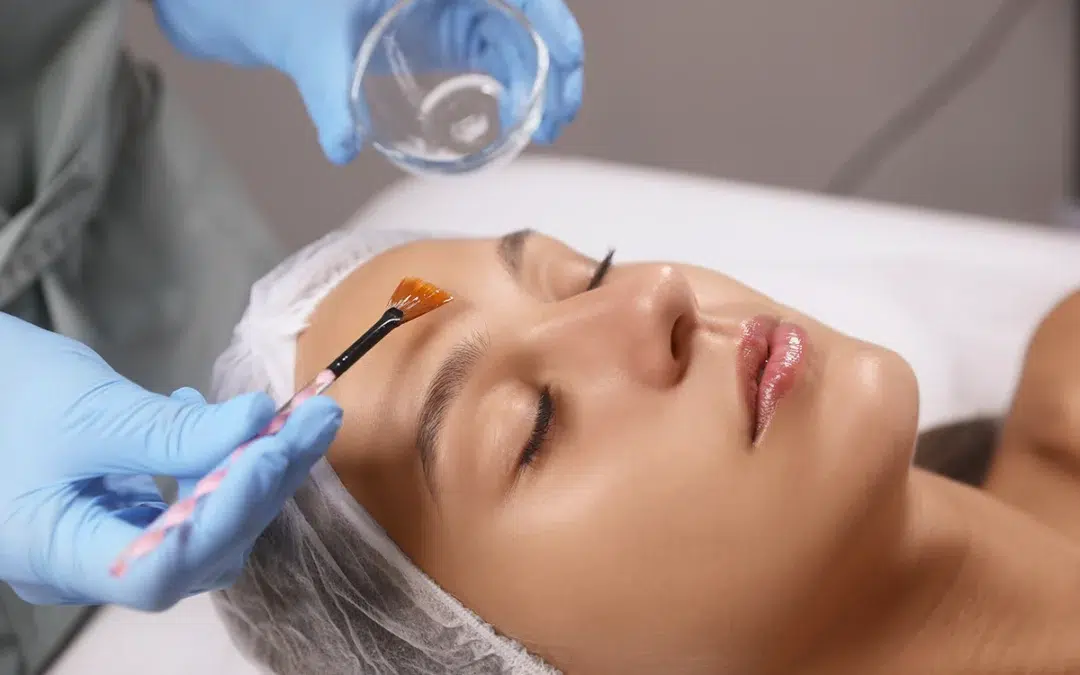
A Medium Chemical Peel May Be Right for You
Are acne scars, fine lines, and an uneven skin tone bothering you? A medium chemical peel can address all of these common aesthetic issues and leave your skin looking younger, refreshed, and vibrant. Chemical peels are perfect for exfoliating different layers of the skin and stimulating the growth of new…
Contact Chicago Aesthetics Surgery & Med Spa
Get In Touch
Call or Text
Chicago Location
Glenview Location
Hours
Mon & Wed: 9am - 7pm
Tues, Thurs & Fri: 9am - 5pm
Sat: 9am - 2pm
Sunday: CLOSED
About Us
Enhance your natural beauty with personalized skin, body, and wellness treatments from Chicago’s trusted med spa, led by Dr. John D. Rachel.